Marketing guides for small manufacturers
Practical guides for small manufacturers and trading companies.
What does the HappyCXO blog cover?
The HappyCXO blog covers websites and SEO, B2B prospecting within CAN-SPAM rules, and Alibaba.com, Amazon and Shopify operations, written for small manufacturers and trading companies. Articles published before October 2026 were written for Taiwanese exporters, and a separate series on business succession follows Taiwan law, not US rules.

AI Recruiting and Training Tools for Small Manufacturers
Small manufacturers rarely need an enterprise recruiting suite: post on Indeed and LinkedIn first, add Workable or BambooHR when you hire several people a year, and use a tool like Trainual to turn veterans' know-how into training. A person makes every hiring decision, and US AI-hiring rules apply.
AI in ERP and Inventory Software for Small Manufacturers
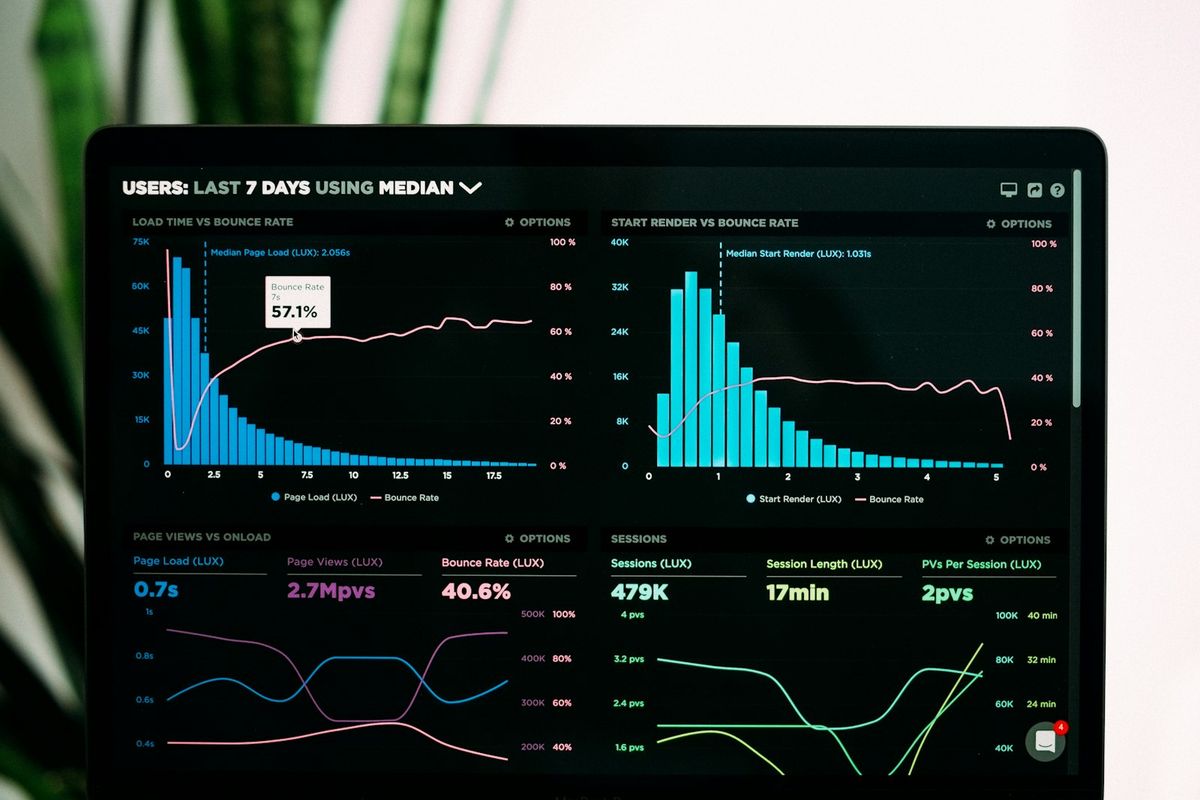
Most small manufacturers need clean item, BOM and stock data before 'AI ERP'. Of five systems compared on vendor-published facts, Katana suits Shopify-led makers, MRPeasy job shops, Fishbowl QuickBooks shops, Odoo an all-in-one suite and NetSuite multi-entity growth. Prices checked October 20, 2026.
AI Knowledge Base Tools for Small Businesses, Compared
Small manufacturers should pick an AI knowledge base by where their documents already live: Microsoft Copilot for Microsoft 365, Gemini for Google Drive, or Notion, Confluence, Slite or Guru for a fresh SOP library. This guide compares six tools on vendor-verified prices and data policies, with a decision guide and a six-week rollout checklist.
AI CRMs for Small Manufacturers: HubSpot, Salesforce, Zoho, Pipedrive, Odoo
HubSpot, Salesforce, Zoho, Pipedrive and Odoo all offer AI scoring, email drafting or summaries, but in different tiers and under different data policies. Pick by bottleneck: follow-ups, marketing hand-off, complex channels or quotes tied to stock. Prices verified October 20, 2026.

AI Tools for Handling B2B Inquiries and Customer Service
For small manufacturers and distributors, AI support tools can answer spec and order questions around the clock and collect RFQ details, while people keep pricing and commitments. We compare Intercom Fin, Zendesk, Freshdesk, HubSpot and Tidio on published pricing, data use and handoff, checked October 20, 2026.
ChatGPT vs Claude vs Gemini vs Copilot for Manufacturers
Use the AI built into the suite you already run: Microsoft 365 Copilot for Outlook and Word, Gemini for Gmail and Google Docs. For a standalone assistant, compare ChatGPT Business and Claude Team at $20 a seat billed annually. All four say business data isn't used for training by default.
AI Document Processing for Quotes, POs and Invoices: Tools for Small Manufacturers
Start AI document processing with purchase orders or supplier invoices, not RFQs. We compare six tools, from Parseur’s free 20 pages a month to Rossum from $18,000 a year, using vendor pages read October 20, 2026, and keep a person reviewing every price and quantity.
AI Sales Prospecting Tools for Small Manufacturers, Compared
Pick the AI prospecting tool that matches how you already sell: Sales Navigator if buyers live on LinkedIn, Apollo for a contact database plus email sequences with a free plan to start, HubSpot's prospecting agent if HubSpot is your CRM, Clay for custom research, and ZoomInfo for an enterprise contract. Prices and compliance rules checked October 20, 2026.

Shopify B2B for Manufacturers and Distributors
Shopify B2B now runs on Basic, Grow and Advanced, not only Plus. Lower plans get company accounts, net terms, quantity rules and up to 3 catalogs; deposits and company-specific catalogs stay on Plus. Here is the feature map, setup sequence and weekly checklist.

Selling on Alibaba.com as a US Manufacturer: Plans, Setup and Who Runs the Store
Yes, a US manufacturer can sell on Alibaba.com if it is a US-registered business that can supply wholesale quantities. US plans run $2,799 to $8,299 a year (checked October 20, 2026). The real question is who answers inquiries, quotes RFQs and fixes listings every week.

Marketing for a Small Manufacturer With No Marketing Staff: Where to Start
No marketing staff? Start with website basics, then product pages, one marketplace, LinkedIn and an inquiry routine, in that order. This guide gives the task sequence with done-when criteria, a do-it-yourself, hire or outsource table, and a printable weekly routine, citing NIST MEP, SBA, Google and FTC sources.

What Does an Outsourced Marketing Team Do for a Small Manufacturer?
An outsourced marketing team runs a small manufacturer’s recurring marketing work inside the company’s own accounts and reports weekly against agreed KPIs. This guide lists the tasks by scope line, shows an illustrative week, separates what stays with the owner, and gives a 12-point provider scorecard.

Hiring an Overseas Marketing Team: Questions to Ask Before You Sign
Before you sign with an overseas marketing team, get written answers on nine risks: time-zone overlap, who manages the person, account ownership, continuity, AI use, KPIs, exit terms, CAN-SPAM and IP. Here are 27 questions, good answers, red flags, and how HappyCXO Studio answers them.
Amazon Business for Manufacturers: Should You Sell There?
Amazon Business suits manufacturers with standard, reorderable products, margins that absorb a 12% to 15% referral fee, and distributor agreements that leave room for it. This guide covers fees, business pricing, quotes, Brand Registry, FBA vs FBM, channel-conflict questions and a weekly checklist, all from Amazon pages accessed October 20, 2026.
Fractional CMO vs Marketing Agency vs Remote Team Member: A Guide for Manufacturers
Most small manufacturers need weekly execution before they need a CMO. This guide defines fractional CMOs, agencies, freelancers, in-house hires and remote team members, compares them in one table, and cites BLS pay data and vendor-published prices.
What It Really Costs to Hire a Marketing Specialist in 2026
The median US marketing specialist earns $78,760 (BLS, May 2025). Add benefits at 30% of compensation and the loaded cost is about $112,500 a year, before recruiting. Here is the math, plus an honest comparison of hiring, agencies, freelancers and a remote team member.
Alibaba Store vs Your Own Website: Do You Need Both?
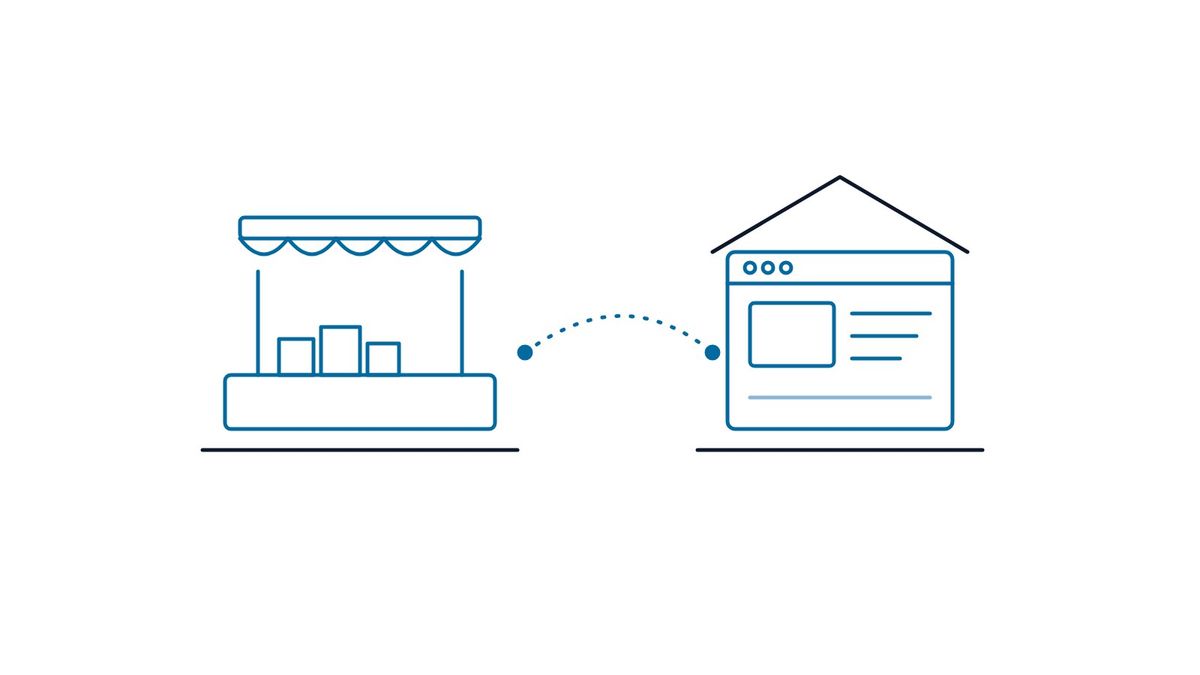
Not always. A marketplace store gets you found inside the platform; an owned website lets buyers and AI verify you outside it. Wait if you are not building a brand; build one for branding, larger distributors or a second sales channel.
B2B Inquiry Form Design: How to Turn Website Traffic Into RFQs
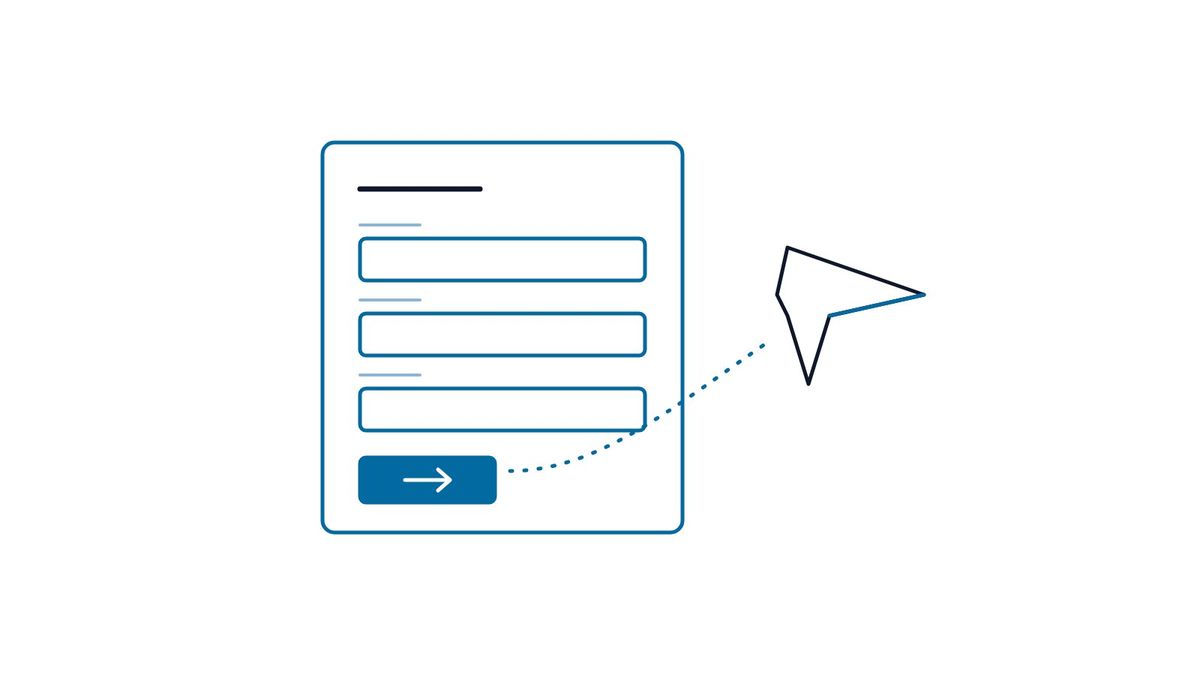
To turn website traffic into RFQs, a B2B inquiry form should ask only what you need to reply (company, country, quantity, application, timeline), show a response time and real contact details beside it, route every submission to a monitored inbox, and track success with GA4 generate_lead as a key event.
After Your Website Launches: A 90-Day Plan
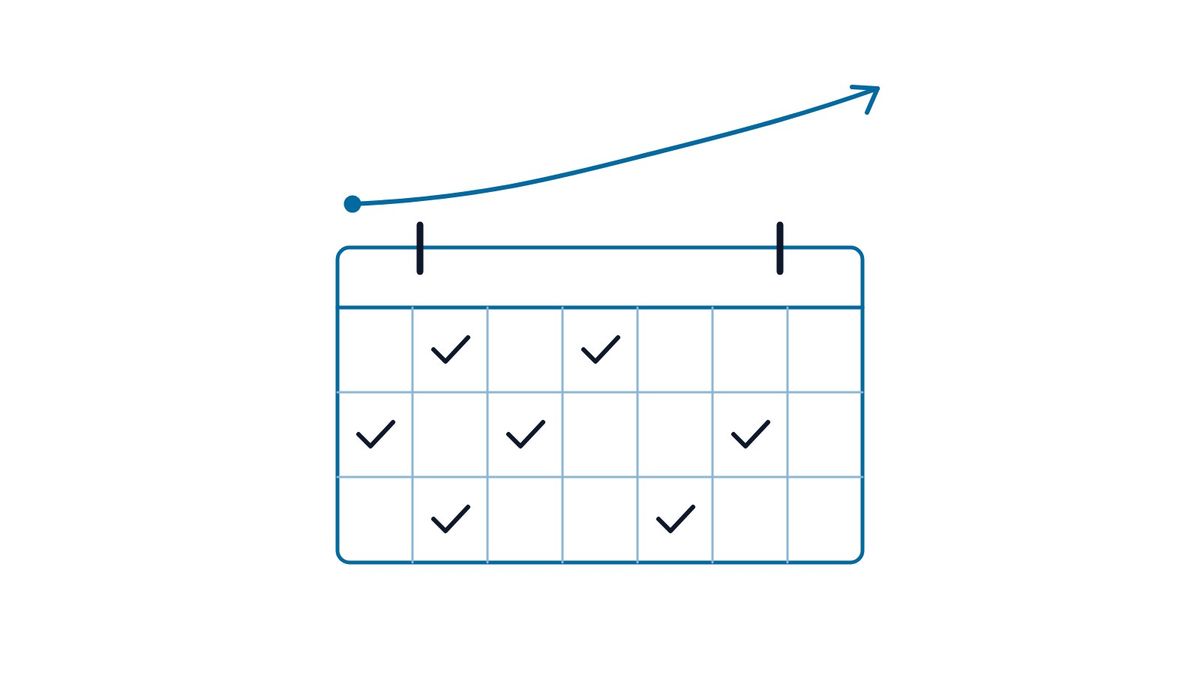
What to do after your website launches, in order: in week 1, set up Search Console, Bing Webmaster Tools, IndexNow and GA4; in weeks 2 to 4, fix what the indexing, 404 and speed reports show; in months 2 and 3, start a content cadence you can keep. Based on Google and Bing documentation, with a printable checklist.
How to Structure a Product Catalog Website for Manufacturers
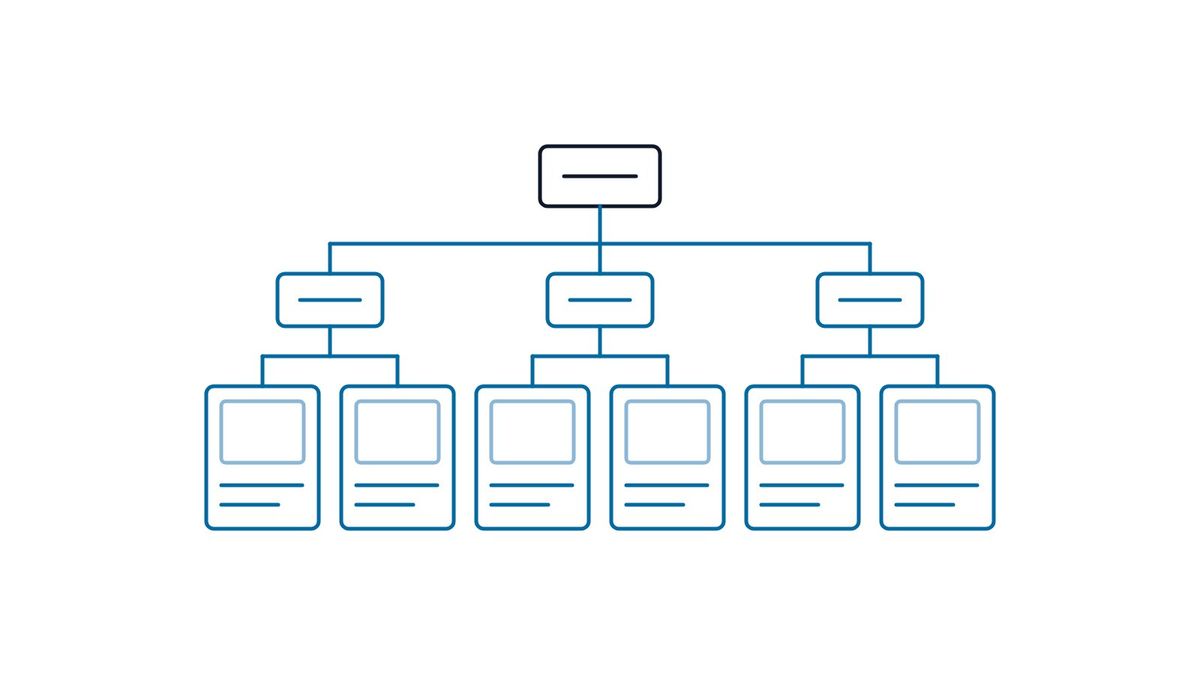
Structure a manufacturer or trading company catalog site around how buyers search: product type as the backbone, applications as entry points, specs as filters. Group size-only variants into series pages, publish specs as HTML text rather than images or PDFs, keep filter URLs out of the crawl, and never fake prices in Product markup.
Multilingual Website: URLs and hreflang
How to set up a multilingual website: choose languages from your actual buyers, use subdirectories unless you have a reason not to, cross-reference every version with reciprocal hreflang plus x-default, never auto-redirect by IP, and plan right-to-left layout from day one if Arabic is on the list.
Website Health Check: 9 Technical Problems Small Businesses Miss
The nine technical problems we find most often on small-business websites are: no GA4, a misspelled ads parameter, the wrong language declaration, multiple H1s, missing alt text, no structured data, long articles with one subheading, unmeasured speed, and shaky HTTPS or mobile basics. You can check all nine yourself with a browser, and most need no rebuild.
How Much Does a Website Cost? A Quote Guide for SMEs
What a small business website really costs in 2026, and why three quotes for the same brief can sit far apart. The spread comes down to hours bought, liability carried and aftercare promised, plus operating costs every year after launch. This guide gives you a sourced price table, an eight-item quote checklist with the consequence of leaving each one vague, the common pricing traps, and two three-year total cost of ownership models.
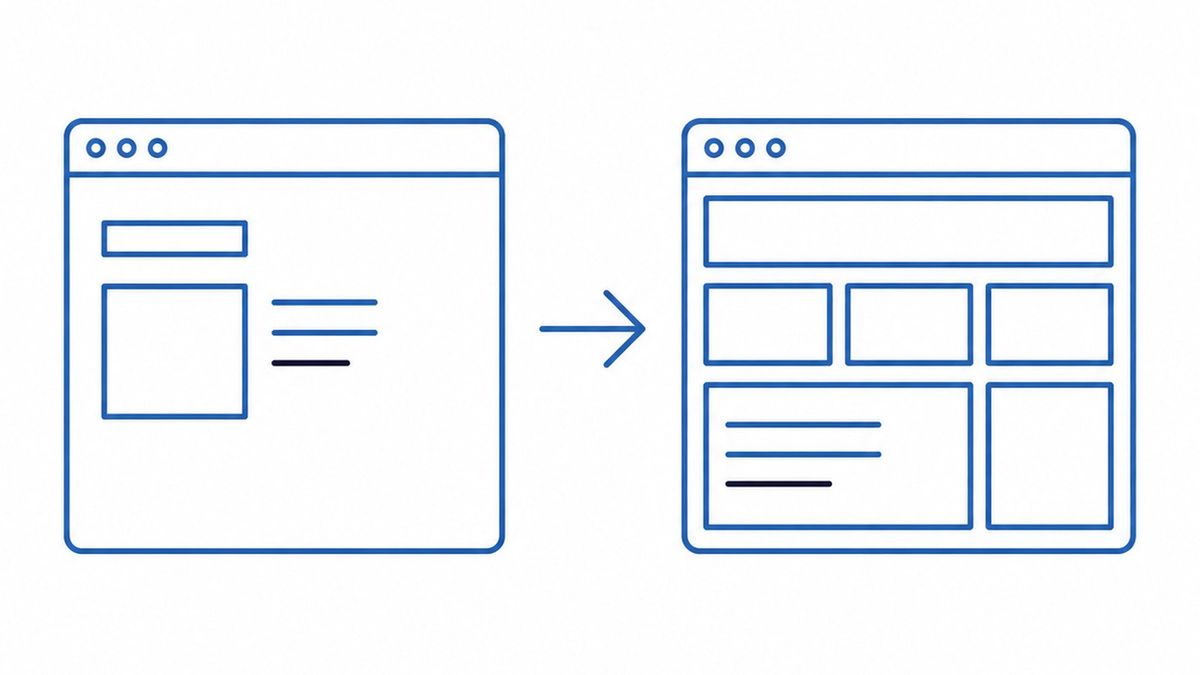
Website Redesign or Rebuild? How to Decide
Rebuild only when the foundation has expired: an unsupported runtime, no genuine responsive design, or lost admin control. Dated visuals or stale copy usually call for a cheaper, safer redesign. Six paired signals, how to stop a post-launch traffic drop, a seven-question decision flow, and three things to finish before any code is written.
Website RFP Spec and Launch Acceptance Checklist
Website projects rarely fail because the vendor was bad — they fail because two documents were never written: the specification before signing and the acceptance checklist before launch. This guide gives you a twelve-field spec template, a ten-item contract ownership map covering domain, source code, warranty, maintenance and vendor wind-down, and a twenty-eight-item launch acceptance table spanning ownership, mobile, forms, GA4, SEO, AEO and performance.
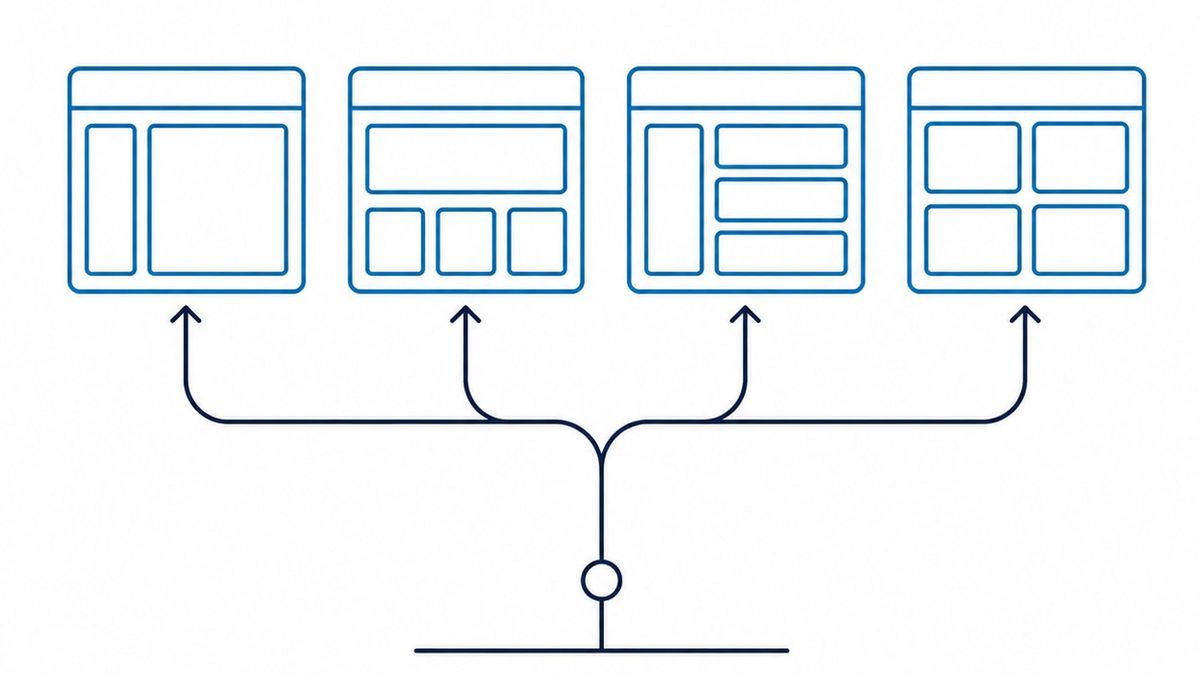
WordPress vs SaaS: How to Choose a Website Platform
There is no best website platform, only the one that fits your team, your payment needs and your three-year plan. Self-hosted WordPress, SaaS builders, ecommerce SaaS and custom development compared on market-share trends, five-year cost of ownership, data portability and whether AI systems can read your site, with a four-question decision tree.
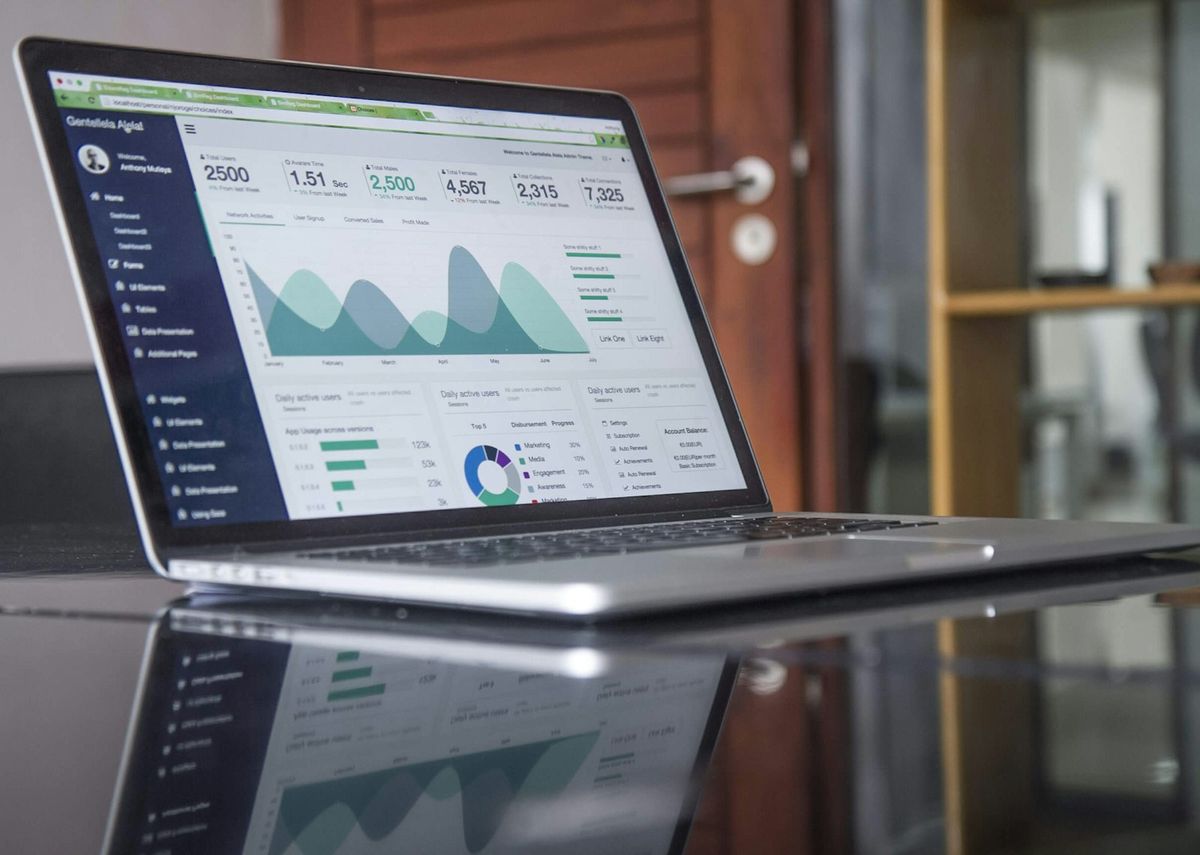
Product Page AEO: How to Make AI Read Your Spec Sheets
The product page decides a B2B deal, yet it is usually the page machines read worst: specs baked into images, tables of bare part numbers, catalogues locked in PDFs, no structured data. How to turn spec tables into text, write application context, add Product and ItemList markup, publish materials and certifications, and verify the result.
B2B Buyers Now Use AI to Find Suppliers
Business buyers now start supplier research inside AI assistants, so the shortlist is often formed before they ever reach your site. Here is what buyers do with AI at each stage, where manufacturers and trading companies get eliminated, and a stage-by-stage content map.

Why AI Doesn’t Recommend Your Brand, and How to Fix It
AI search tools draw on many pages per answer and weigh what independent sources say about a company. Here is how Google, ChatGPT and Perplexity document citations, what entity consistency means for a manufacturer, which sources to build first and a twelve-week plan.

How to Make Your Website Readable to AI: AEO Technical Setup
Most B2B manufacturer websites lose at AEO before content even matters: AI crawlers blocked, JavaScript-only rendering, specs trapped in images, no structured data. This hands-on guide covers what to add, in what order, and how to verify it worked.
AI Search Engines Compared: Where to Start
Optimizing for AI sounds like one job. It is four. ChatGPT, Perplexity, Google AI Overviews and Gemini draw on source pools that barely overlap, and only AI Overviews track Google rankings closely. Here is how each engine picks sources, and where a small team should start.

Small-Factory Scheduling and BOMs: Where AI Actually Helps
Small factories can schedule better without an APS project: digitize the item master, BOMs, routings, capacity and open orders, then use AI for demand forecasts, conflict checks and draft schedules that a planner approves. Includes a BOM checklist, a tool decision table and a weekly workflow.
Turn Engineering Know-How Into E-E-A-T Content Buyers Trust
E-E-A-T is how Google describes trustworthy content. For a manufacturer, the fastest way to show it: interview your engineers, draft with AI from the transcript only, and have the engineer approve every technical claim before it goes live.
Stop Overstocking: An Amazon Market Analysis and Product Research Guide for Manufacturers
Why does good quality not equal good sales when manufacturers move to Amazon? This guide uses in-platform market sizing, competitor review mining, and full off-platform analysis with Ahrefs and Similarweb to replace blind stocking with data-driven selection.

GEO Content Strategy: How to Write Content AI Will Cite
To get cited by ChatGPT and Perplexity, write answer-first, keep your company facts consistent everywhere, and make every passage concrete. A practical guide for manufacturers and trading companies: entity authority, information density, FAQ design, anti-patterns, and measurement.
Building a B2B Manufacturer Website: A Zero-to-Launch Guide
Whether a B2B website brings inquiries or sits unused is decided before you build. A step-by-step guide for manufacturers and trading companies: strategy, multilingual architecture, CMS, GEO-readiness, and a launch checklist.

Is It Time to Modernize Your Website and Adopt AI? An Honest Self-Assessment
"Just leave the website up" is a quietly money-losing call in 2026. Six signals, the hidden cost of waiting, and a five-question self-test to honestly decide if it is time.

Trade-Show Cards in a Drawer? Build One Follow-Up System
Put trade-show contacts, website inquiries and outreach replies into one CRM, clean them, give each lead one owner and a tier, follow a written cadence, and track response time and quotes by source each week. Includes a routing table, a cadence and a 14-day post-show checklist.

How to Speed Up RFQ Quotes With AI Without a New ERP
A slow quote loses deals before price is ever discussed. We break down the seven steps of a quote, where AI should and should not act, a 30-day rollout plan that needs no new ERP, and the metrics that prove it worked.

LinkedIn Outreach SOP for Manufacturers
LinkedIn is where B2B buyers keep a verified professional identity, which makes it the best place to start a cold conversation. This guide lays out a repeatable system for manufacturers and trading companies: fix your profile first, build a precise buyer list, write connection requests people actually accept, run a three-message warm-up sequence, and hand warm contacts over to email.

Clay Cold Email for Manufacturers: A Compliant Workflow
Clay works best as the research layer of a narrow outbound program: waterfall email lookup, Claygent website research and human review before sending. Here are Clay plans as published in October 2026, a six-step workflow, first-line examples and a CAN-SPAM, Gmail and Yahoo checklist.
The GEO Survival Guide for Manufacturers: How to Get AI to Recommend Your Business
To get ChatGPT, Perplexity and Google AI Overviews to recommend your business to buyers, you need GEO — Generative Engine Optimization: answer-first content, structured data, entity consistency and freshness. This guide shows, with data, how AI Overviews erode organic CTR, then gives a seven-day SOP to start earning AI citations to your website.

AI-Assisted vs Traditional B2B Prospecting: An Honest Guide
AI speeds up prospect research, list checks and first-draft emails. Judgment, buyer relationships and compliance stay with people. A side-by-side guide, workflow and pre-send checklist for small manufacturers and trading companies.

Alibaba.com Star Ratings: How They Work and How to Climb
Alibaba.com star ratings take your weakest score across Product, Marketing and Service. The official rules, what 3 stars unlocks, what a membership can and cannot buy, and a weekly operating calendar for small teams.
Rather have someone do this work for you?
These guides cover the work a HappyCXO dedicated team member does every week. Book a 20-minute demo to see how it would be split for your company.
Book a 20-min demo →Not ready to talk? Estimate the cost with the calculator