Marketing for machinery manufacturers, run by a dedicated team member
Machinery buyers research for a long time before they send an RFQ, and most small equipment makers have nobody keeping the website, product data and follow-up current. A HappyCXO dedicated team member runs that work every week: spec-rich product pages, SEO for engineering buyers, marketplace listings and RFQ follow-up, with a weekly report.
What does a dedicated marketing team member do for a company in machinery and equipment?
Machinery buyers research for a long time before they send an RFQ, and most small equipment makers have nobody keeping the website, product data and follow-up current. A HappyCXO dedicated team member runs that work every week: spec-rich product pages, SEO for engineering buyers, marketplace listings and RFQ follow-up, with a weekly report.
Why marketing slips at machinery companies
In a small machine builder or equipment maker, the people who understand the product are engineers and salespeople, and their week goes to quoting, builds and service calls. Marketing becomes the owner’s side project. A marketer who can write credibly about tolerances, options and controls is hard to hire, and a generalist without that background needs a lot of coaching. Meanwhile buyers keep researching online, and the supplier with the clearest information gets the call.
How machinery buyers find and vet suppliers
An equipment purchase usually involves several people: the engineer who writes the spec, the plant or operations manager who owns the budget, and purchasing, who runs the RFQ. Most of the vetting happens before anyone calls you, so what they can find online decides whether you make the next round.
It starts with a production problem
Throughput, tolerance, changeover time or a machine reaching end of life. Early searches describe the application and the process, not your model number.
Building a long list
Buyers search Google, ask AI assistants, browse industrial directories and ask peers or their current distributors. Shows such as IMTS (opens in a new tab) still matter, but buyers look you up online before and after.
Screening on documentation
Specs, working range, footprint, utilities, control platform, safety and electrical compliance, and whether you can support the machine after installation. Suppliers with thin pages get dropped here, and never find out.
RFQ and comparison
Purchasing sends an RFQ to a short list. Response speed, how complete the answer is, lead time, installation, training and spare parts all get compared.
Validation
References, factory acceptance testing (FAT), a site visit or video demo, and service coverage in the buyer’s region.
Where machinery makers lose buyers online
Thin spec pages
Engineers want full specifications, tolerances, applicable standards and drawings before they talk to sales. A model table with a “contact us” button loses them early.
Invisible during research
Buyers compare suppliers long before they reach out. If your site has no pages for the applications and problems they search for, you are not on the shortlist.
RFQs that wait
An RFQ that sits in a shared inbox usually goes to whoever answered first. Without someone who owns the inbox every day, inquiries slip.
Outreach to the wrong person
Email to a generic purchasing inbox rarely reaches a decision-maker. Reaching the plant manager or process engineer takes research on who actually buys.
What buyers expect on a machinery supplier’s site
These are the pages and documents engineering buyers look for. List only the standards that apply, name them exactly and say which machines they cover. Compliance is your engineers’ call; our job is to make it visible.
Full specs per model
Capacity, working range, accuracy and tolerance, power and utilities, footprint and weight, control system and options, in text rather than a scanned brochure.
Drawings and CAD
Layout drawings and 3D models in the formats your buyers use. Public or gated is your choice.
Safety and electrical compliance
US buyers ask whether the electrical design follows NFPA 79 (opens in a new tab), the electrical standard for industrial machinery, and how the machine meets OSHA guarding rules such as 29 CFR 1910.212 (opens in a new tab). Risk assessments commonly follow ISO 12100 (opens in a new tab). If you also sell into the EU, show CE marking under the Machinery Directive 2006/42/EC (opens in a new tab), which Regulation (EU) 2023/1230 replaces from January 20, 2027.
Quality system
ISO 9001 (opens in a new tab) certification if you hold it, with the certificate scope and registrar.
Application pages
Pages by material, process or industry served. Cycle times or results only where you can document them.
Service and support
Installation, training, warranty, spare parts, remote support, and who covers the buyer’s region.
Machines running
Short videos of the machine running real parts persuade better than adjectives, and work on YouTube and LinkedIn too.
Problems we often find when we start
- Product pages copied from the printed brochure, with the spec table as an image search engines can’t read.
- An English site that was machine-translated from another language, using terms no engineer would use.
- Every page is a model number; no page answers the application questions buyers actually search for.
- RFQs land in a shared inbox that several people check, and nobody tracks which ones were answered.
- Directory and marketplace profiles still list discontinued models or old contact details.
- Trade-show leads go into a spreadsheet and get no follow-up after the first week.
What your dedicated team member runs
Product pages and SEO for engineering buyers
One page per machine or product line with full specs, standards, and drawing or CAD downloads where you allow them, plus application pages for the searches engineers actually run. Updated every week, not once at launch.
RFQ follow-up and buyer research
Inquiries are triaged every business day and reply drafts prepared for your sales team to approve. We research plant managers and process engineers from public company information and draft outreach that follows CAN-SPAM rules. Pricing and promises stay with you.
Industrial directories and B2B marketplaces
We keep your profiles and listings complete and consistent on the supplier directories and marketplaces your buyers use, such as Thomasnet or Alibaba.com, and draft first replies to the inquiries that come in.
What your dedicated team member does, month one and after
The order adapts to what we find in the demo and the KPIs we agree on. We don’t promise a fixed timeline; you get a report every week.
Month one
- Audit your website, product data, directory and marketplace profiles, and how RFQs reach your team today.
- Collect brochures, manuals, drawings and spec sheets, and agree with your engineers who reviews technical content.
- Agree KPIs and record the baseline, such as inquiries, site traffic, listing health and response time.
- Set up RFQ triage: one inbox, one tracking list and reply templates your sales team has approved.
- Rewrite the pages for the machines you most want to sell first.
Every week after that
- Publish and update model and application pages, reviewed by your engineers before they go live.
- Triage RFQs every business day and chase open ones until they are won or closed.
- Keep directory and marketplace listings consistent with the website.
- Research plant managers and process engineers at target companies from public information, and draft CAN-SPAM-compliant outreach for your approval.
- Send the weekly report and review results with you regularly.
Channels that fit machinery companies
Not every channel is worth your time. This is our general read for machinery and equipment makers; your machines, customers and markets decide the rest.
Your own website
Core channelWhere engineers do their detailed vetting. Every other channel should point back here.
Website & SEO →Trade associations and shows
Often worth itGroups such as AMT (opens in a new tab) and PMMI (opens in a new tab) and their shows produce leads that only turn into RFQs with good online material and steady follow-up.
Distributors and reps
Often worth itMany machine builders sell through regional dealers or reps. They need current spec sheets, videos and pages they can forward to customers.
Sales Support →LinkedIn
Often worth itUseful for reaching engineers and plant managers: application posts and machine videos that link back to your site.
Social Media →Alibaba.com
Depends on your productsWorth a look if you want export orders. Standard machines fit better than fully custom lines; the marketplace is mostly a way to be found, and the deal still rests on your documentation and sales team.
Alibaba.com Operations →Amazon Business
Rarely a fitFits consumables, tooling and spare parts; rarely capital equipment.
Amazon Operations →
Related work
All case studies →Anonymized engagements. Figures come from project records and are not claims about a named client.
Related guides
Blog home →
Product Page AEO: How to Make AI Read Your Spec Sheets

Turn Engineering Know-How Into E-E-A-T Content Buyers Trust
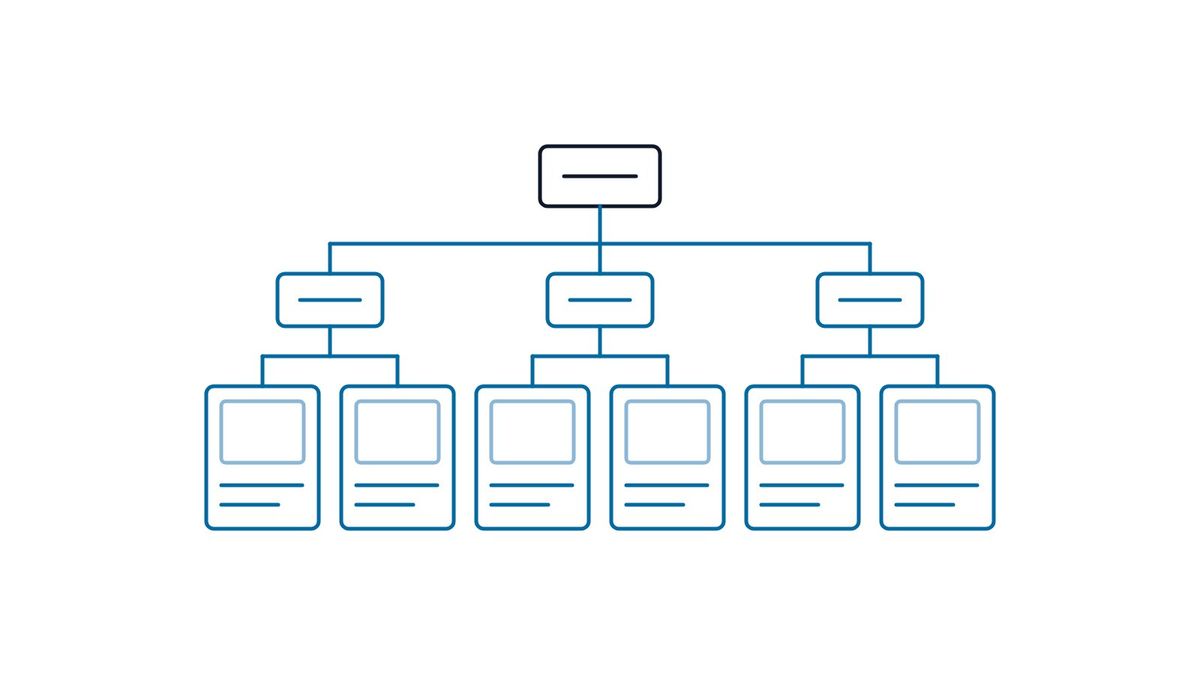
How to Structure a Product Catalog Website for Manufacturers
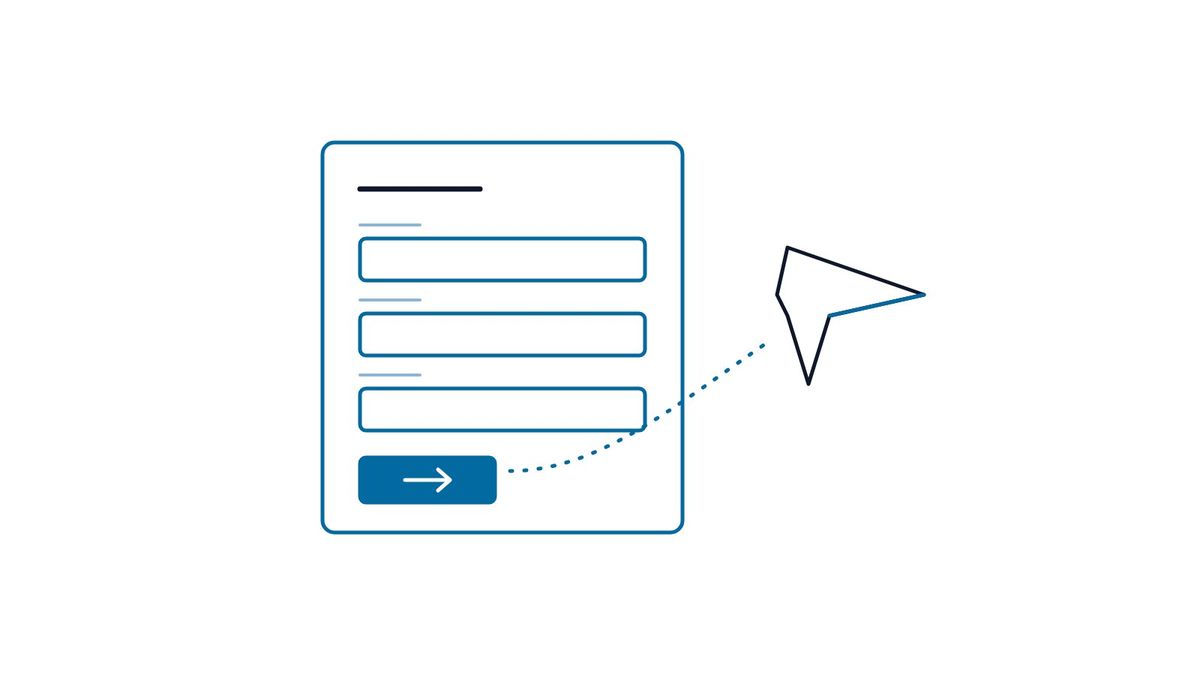
B2B Inquiry Form Design: How to Turn Website Traffic Into RFQs
B2B Buyers Now Use AI to Find Suppliers

Marketing for a Small Manufacturer With No Marketing Staff: Where to Start
Questions from machinery and equipment companies
- What does a dedicated marketing team member do for a machinery manufacturer?
- They keep your website and product pages current, write the application content engineering buyers search for, maintain directory and marketplace listings, triage RFQs and draft replies for your sales team, and send you a report every week. A named lead does the work, backed by specialists, and KPIs and a baseline are agreed before work starts.
- Do you know machinery well enough to write about it?
- We know how industrial B2B selling works: spec sheets, standards, lead times, distributors and RFQs. One of our co-founders was a senior project manager at Foxconn, working on manufacturing procurement and supplier evaluation. We learn your machines during onboarding from your drawings, manuals and engineers, and your team reviews technical content before it is published.
- How should a small machinery company handle RFQs so they don’t go cold?
- Make one person responsible for the inbox every business day, reply quickly with what you know and when the full quote will follow, and track every open RFQ until it is won or closed. Your dedicated team member can own the triage and the follow-up reminders, while your sales team keeps pricing and the final reply.
- Your team is in Taiwan. How does that work for a US machinery company?
- Our team is based in Taiwan and works remotely. We have no US office or US employees. Taiwan’s workday overlaps the US evening and night, so routine work often moves forward while you’re offline. We communicate by email, a shared Slack or Microsoft Teams channel, and video calls during your business hours, and agree on response times for urgent requests during onboarding.
- Which standards and certifications should a machinery company show on its website?
- Only the ones that apply to each machine, named exactly, next to the specs and with the certificate available. For US buyers that usually means saying whether the electrical design follows NFPA 79 (opens in a new tab) and how guarding meets OSHA 29 CFR 1910.212 (opens in a new tab). Add ISO 9001 (opens in a new tab) with its scope if your quality system is certified, and CE marking if you also sell into the EU.
- Is Alibaba.com or Amazon Business worth it for a machinery manufacturer?
- It depends on the machine and on whether you want export orders. Alibaba.com reaches international B2B buyers and suits standard, well-specified machines better than custom lines; it mostly gets you found, and the deal still rests on your documentation. Amazon Business fits consumables, tooling and spare parts, rarely full machines. For most US machine builders the website, directories and distributors come first.
Get the machinery marketing done without another hire.
Book a 20-minute demo. We’ll look at your website, product data and how RFQs are handled today, then show what a dedicated team member would take over each week.
Book a 20-min demo →