Auto parts to North America — digital acquisition from OEM tier-2 to aftermarket brands
The North-American auto-parts market splits into OEM, Tier-1/2 and aftermarket — three buyer profiles with three very different decision logics. We target each one differently.
How does HappyCXO help auto parts exporters win North American buyers?
The North-American auto-parts market splits into OEM, Tier-1/2 and aftermarket — three buyer profiles with three very different decision logics. We target each one differently.
Where the market is today
Taiwan’s auto-parts exports exceed US$7B annually, but ~70% sits in aftermarket — fast-moving, smaller orders, tight lead times. OEMs run slowly and demand IATF 16949 / PPAP qualification. Reaching both audiences requires very different site structures and outbound cadence.
Pain points we hear most often
OE / OEM / aftermarket all on one page
Mixing all three markets on one page splits search intent — Google doesn’t know which keyword to rank you for, so authority never compounds.
Hard to look up fitment
Aftermarket buyers look up parts by Year-Make-Model. Many Taiwan sites only support part-number search — buyers bounce immediately.
Certifications buried
IATF 16949, DOT, CARB, CAPA certifications buried in PDFs without structured display — engineering buyers can’t find them.
Can’t match jobber cadence
Aftermarket jobbers expect quotes within 2 hours and a PI within 24. Small shops without automation simply lose the deal.
How HappyCXO helps auto-parts exporters
Market-segmented site + YMM lookup
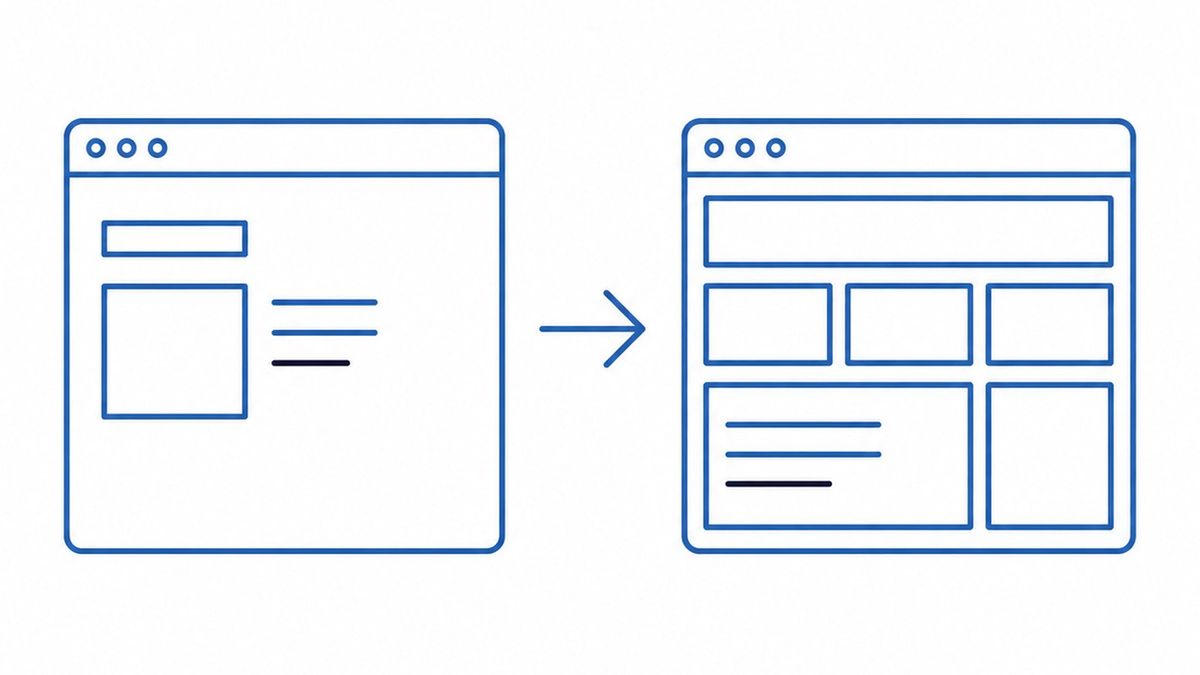
Separate category trees for OEM, Tier-supply and aftermarket — clear intent, compounding SEO. Layer a Year-Make-Model lookup on aftermarket pages so visitors go straight to a quote form.
AI segmentation + bucketed outreach
AI builds and segments lists of NA jobbers, warehouse distributors, e-tailers and OEM buyers, then sends role-aware emails (certifications first for OEM; lead time + SKU breadth for aftermarket).
Alibaba + RockAuto reverse + LinkedIn
Auto parts lean on RockAuto, PartsAvatar and eBay Motors (NA aftermarket) more than ThomasNet. We run all three plus Alibaba International (OEM side) and LinkedIn (brand presence) in parallel.
Recent case studies
View all →
Factory D — Japanese Auto Parts into the Middle East
A Taiwan-based aftermarket parts maker wanted to crack the Middle East commercial-vehicle market. In six weeks our outbound AI engine reached Japan-parts importers, fleet ops, and regional repair chains with 1-to-1 personalized outreach that spoke to each role's pain points.

Brand E — European Premium Coffee into Southeast Asia
Already stocked at Harrods (UK) and Target (US), the brand wanted to enter Singapore and Southeast Asia through local importers. Our outbound AI engine reached 200+ qualified importers in eight weeks — F&B retailers, premium boutiques, corporate gift channels — while auto-excluding every competing coffee producer.
Frequently asked questions — Auto parts
- Should we build separate site sections for OEM and aftermarket auto parts buyers?
- Yes — OEM, Tier-supply and aftermarket buyers have entirely different search intent. Mixing them on one page confuses Google's keyword targeting and prevents SEO authority from compounding over time. Separate category pages let each buyer type land on content matched to their own decision logic.
- What do aftermarket auto-parts buyers need most when searching a supplier site?
- Aftermarket buyers look up parts by Year-Make-Model, not by part number. A site that only supports part-number search loses them instantly. Adding a YMM lookup that routes straight to a quote form is the key to keeping these visitors from bouncing.
- How should we present IATF 16949 and other certifications on the site?
- IATF 16949, DOT, CARB and CAPA certifications shouldn't sit buried in a PDF — they need structured display on the product page so engineering buyers can find them during evaluation. OEM buyers weigh these certifications heavily, and poor visibility hurts your standing in supplier reviews.
- How is the aftermarket jobber buying cadence different from typical B2B buyers?
- Aftermarket jobbers typically expect a quote within 2 hours and a PI within 24 — a far faster cadence than typical B2B, and shops without automated quoting lose the deal at this stage. OEM buyers, by contrast, run longer decision cycles and weigh certification and process rigor more than speed.
Ready to win OEM and aftermarket together?
Free 30-minute audit. We review your product lines and current NA customer mix, then propose a segmented site + outbound strategy.
Book a Call →