Marketing for hardware, tool and fastener makers
Hardware, tool and fastener companies sell large catalogs through distributors, retailers and marketplaces, and every SKU needs accurate specs. A HappyCXO dedicated team member runs your SKU-level product pages, SEO, marketplace listings and distributor outreach, and reports every week.
What does a dedicated marketing team member do for a company in hardware, tools and fasteners?
Hardware, tool and fastener companies sell large catalogs through distributors, retailers and marketplaces, and every SKU needs accurate specs. A HappyCXO dedicated team member runs your SKU-level product pages, SEO, marketplace listings and distributor outreach, and reports every week.
Why marketing slips at hardware companies
In hardware, the catalog is the marketing. Sizes, materials, finishes and compliance marks have to be right on your site, in distributor data and on marketplaces, and they change whenever a product does. Most small makers and importers have nobody whose job is to keep all of it current, so listings drift, new items go unlisted and distributors work from old line cards.
How hardware and fastener buyers find suppliers
Hardware and fastener buyers range from industrial and MRO distributors, construction suppliers, buying groups and retailers to online sellers and manufacturers that put your fasteners into their own products. What they share: they buy by specification, and they care whether your data is right.
Searching by spec
Size, thread, material, grade, finish, or a competitor’s part number. Without pages that carry that data, you don’t show up.
Checking standards and compliance
Professional buyers check which specification a product is made to, such as ASTM F3125 (opens in a new tab) for structural bolts, and US rules under the Fastener Quality Act regulations (15 CFR Part 280) (opens in a new tab) cover marking and quality systems for certain fasteners.
Judging supply reliability
Lead time, stock depth, MOQ, packaging and country-of-origin marking, which imported goods generally need under 19 CFR Part 134 (opens in a new tab).
Meeting through associations and distribution
Groups such as the Industrial Fasteners Institute (opens in a new tab) and the National Fastener Distributors Association (opens in a new tab) connect makers and distributors; buyers meet new suppliers there and then check them out online.
Samples, quotes and line set-up
After samples and quotes, a distributor or retailer needs accurate item data to set up your line. Missing data slows everything down.
Where hardware and fastener makers lose buyers
Big catalog, one giant table
Without a page per SKU or product family, search engines and buyers can’t match you to specific searches.
Compliance marks not shown
Professional buyers check standards and compliance before price. If the marks your product carries aren’t on the product page, you get screened out.
Marketplace listings left to drift
Thin bullets, missing specs and inconsistent titles on Amazon or B2B marketplaces cost you search placement and sales.
Distributors working from old information
New products and spec changes don’t reach distributors and buying groups unless someone sends them.
What buyers expect on a hardware supplier’s site
One page per SKU or family, with data in text. List only the standards and marks each product actually carries.
Full spec tables
Size, thread, length, material, grade or property class, finish and pack quantity, filterable by spec.
Specifications and markings
The specification each product is made to (for example ASTM F3125 (opens in a new tab)), head markings and manufacturer’s identification mark, and UL (opens in a new tab) or other listings for power tools and chargers where they apply.
Documents
Mill certs, test reports, CAD files and catalogs that buyers can download without emailing you.
Prop 65 and country of origin
Proposition 65 (opens in a new tab) warnings where required for California, and clear country-of-origin information.
Distributor information
Line card, MOQ, lead times, packaging options and how to open an account.
Problems we often find when we start
- Thousands of items in one PDF price list, with none of them searchable on the site.
- The same item described differently on the website, marketplaces and distributor files.
- Standards and marks on a “Quality” page, but not on the product pages.
- New items launched without telling distributors, who keep selling from the old catalog.
- Amazon listings missing dimensions or materials, with returns marked “not as described.”
What your dedicated team member runs
Product line, application and SKU pages
We structure the site as product line, then application, then SKU, each with its own page carrying full specs and compliance marks, and write the content professional buyers search for.
Distributor and buying-group outreach
We research distributors, buying groups and specialty retailers from public information and send each one a short, relevant introduction with your line card. CAN-SPAM-compliant, reviewed by a person, with replies routed to your team.
Amazon, Alibaba.com and B2B marketplaces
Your team member keeps Amazon listings and Brand Registry content current, runs your Alibaba.com storefront if you sell to international buyers, and fixes titles, keywords and spec data across your marketplaces.
What your dedicated team member does, month one and after
With a large catalog we start with your best-selling families rather than rebuilding everything at once. The order follows the KPIs we agree on; we don’t promise a fixed timeline, and you get a report every week.
Month one
- Map your SKU structure and data sources, and find the gaps between website, marketplace and distributor data.
- Define the product line, application and SKU page structure and the spec fields each level needs.
- Agree KPIs and record the baseline, such as inquiries, listing health and organic search traffic.
- Fix the content on your highest-selling marketplace listings first.
Every week after that
- Build and update SKU pages in batches, with specs and marks checked by your team.
- Maintain Alibaba.com and Amazon listings so they match the website.
- Tell distributors about new items and spec changes, and update the line card.
- Research distributors, buying groups and specialty retailers, draft outreach for your approval, and send the weekly report.
Channels that fit hardware and fastener makers
Hardware sells through many channels, and the data has to be right in all of them. This is our general read.
Your own website
Core channelThe master copy of your specs and documents. Every other channel’s data should come from here.
Website & SEO →Distributors and buying groups
Core channelThe main route into industrial, construction and retail hardware. They want accurate item data, dependable lead times and a current line card.
Sales Support →Alibaba.com
Often worth itHardware and fasteners are categories international B2B buyers search there. A fit if you want overseas wholesale or OEM orders; competition is heavy.
Alibaba.com Operations →Amazon and Amazon Business
Often worth itSuits hand tools and retail-packed fasteners for end users and small businesses; bulk industrial fasteners usually don’t fit.
Amazon Operations →LinkedIn
Depends on your productsUseful for reaching distributor buyers and engineers; less so for consumer tool brands.
Social Media →
Related work
All case studies →Anonymized engagements. Figures come from project records and are not claims about a named client.
Metal components manufacturer, English brand site
Built an English brand site and took its content from zero to 39 articles plus 25 structured FAQs.
Expansion-bolt maker, North American construction buyers
Split prospects into three buyer segments (scaffolding companies, building contractors and building-supply distributors) and wrote a separate message for each.
Related guides
Blog home →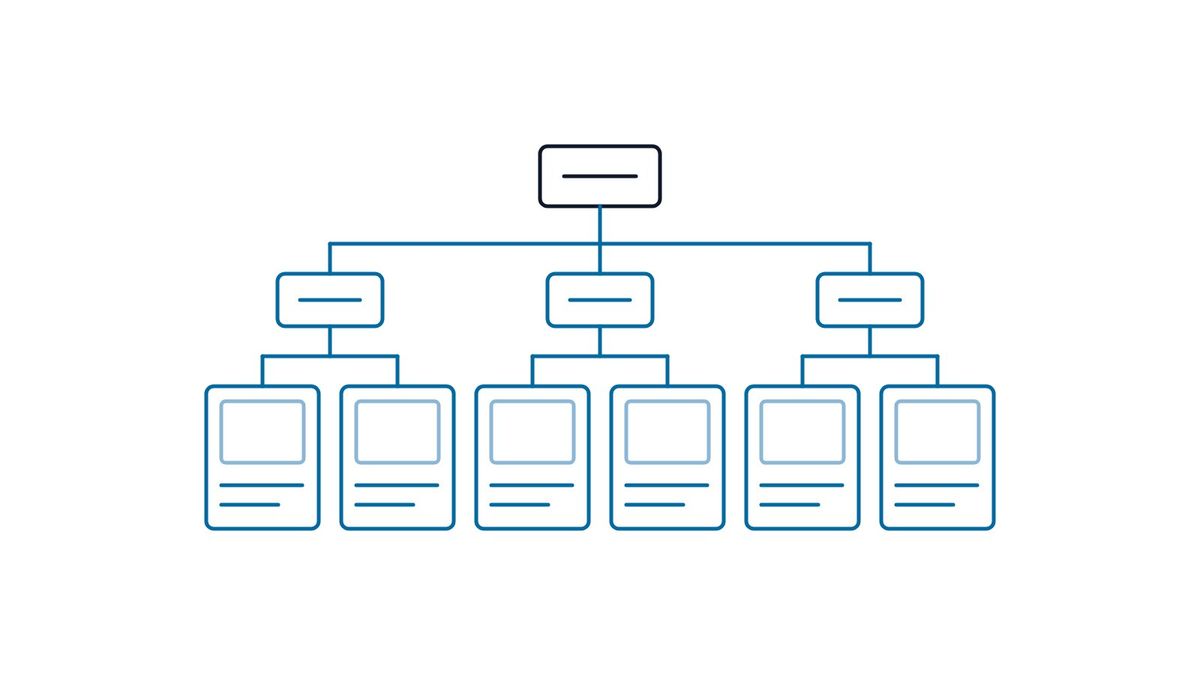
How to Structure a Product Catalog Website for Manufacturers

Product Page AEO: How to Make AI Read Your Spec Sheets

Selling on Alibaba.com as a US Manufacturer: Plans, Setup and Who Runs the Store

Alibaba Store vs Your Own Website: Do You Need Both?
Amazon Business for Manufacturers: Should You Sell There?

Marketing for a Small Manufacturer With No Marketing Staff: Where to Start
Questions from hardware, tools and fasteners companies
- We have a large catalog. How should the site be structured for SEO?
- Don’t put every SKU in one giant table. Search engines treat that as a catalog dump and can’t match it to specific searches. Use three levels: product line, then application, then individual SKU, with each SKU on its own page carrying full specs and compliance marks.
- Which compliance marks should hardware product pages show?
- Show the standards and marks each product actually carries, such as ANSI or UL where they apply, on the product page next to the specs, not only in a downloadable PDF. Professional buyers screen on compliance first, and a missing mark can cost you the order even when the product meets the standard.
- Should a hardware maker sell on Alibaba.com as well as Amazon?
- They reach different buyers. Amazon reaches end users and small businesses, including Amazon Business buyers. Alibaba.com reaches B2B buyers around the world who are looking for suppliers, and US-based manufacturers can sell there too. Whether it is worth running both depends on your margins, minimum order quantities and interest in export orders, and we look at that with you in the demo.
- Why is our Amazon conversion rate low?
- A common cause is thin product content: vague titles, weak bullets, missing dimensions or materials, and too few useful images. Shoppers decide from the listing alone, so weak content wastes the traffic you already have and pushes up ad costs. Fixing listing content is usually the first job your team member takes on.
- What standards information should fastener product pages show?
- The specification and grade or property class each item is made to, the head markings, and downloadable mill certs or test reports. Structural bolts, for example, are commonly made to ASTM F3125 (opens in a new tab), and certain fasteners fall under the Fastener Quality Act regulations (15 CFR Part 280) (opens in a new tab). List only what applies, confirmed by your quality team.
- Our distributors keep selling from an old catalog. What should we do?
- Make the website the master copy: update the line card and spec changes there first, then send distributors a short change list with the new files. Your dedicated team member can run that on a schedule and track which distributors have updated.
Keep your catalog and channels current without another hire.
Book a 20-minute demo. We’ll look at your SKU structure, marketplace listings and distributor materials, then show what a dedicated team member would take over each week.
Book a 20-min demo →